Finding the Right Dentist for Dental Crowns in Everett Shouldn’t Be Guesswork
When you search for “dental crowns near me,” you’ll find plenty of options, but a low price or quick appointment doesn’t tell you how the crown will be planned or how much healthy tooth will be preserved.
At Just Smile Dental, Dr. William Webley provides dental crowns in Everett, WA, using a biomimetic, holistic approach focused on preserving natural tooth structure, selecting appropriate materials, and creating restorations that look and function naturally.
A Washington native, Dr. Webley trained at the University of Maryland School of Dentistry, earned membership in the Gamma Pi Delta Prosthodontic Society, and served as a lieutenant in the U.S. Navy Dental Corps. He now teaches at the University of Washington School of Dentistry.
Call (425) 341-1111 or schedule online to book your crown consultation. We welcome patients from Everett, Marysville, Lynnwood, Edmonds, and throughout Snohomish County.
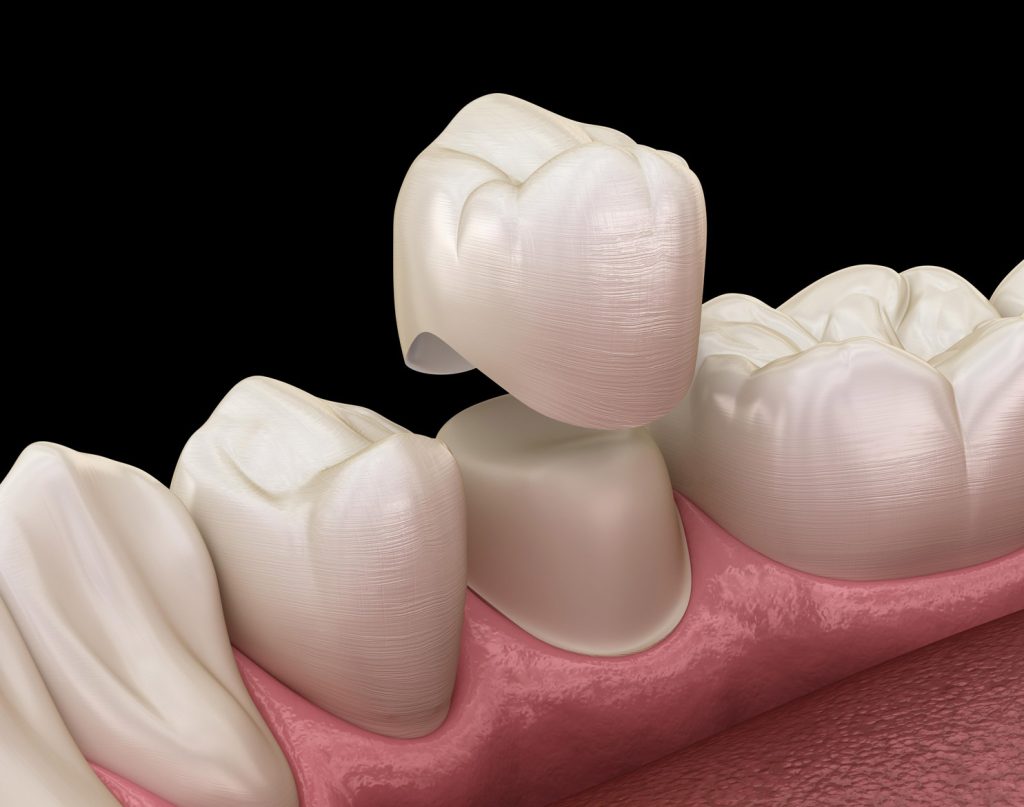
What Is a Dental Crown?
A dental crown, sometimes called a cap, is a custom restoration that fits over a damaged or weakened tooth. It restores the tooth’s shape, strength, function, and appearance while protecting the remaining natural structure.
A crown may be recommended to:
- Restore a cracked, broken, or severely worn tooth
- Strengthen a tooth weakened by extensive decay
- Replace or protect a large, failing filling
- Restore a severely discolored or misshapen tooth
- Protect a tooth after root canal treatment
- Complete a dental implant
- Support a dental bridge
A crown isn’t automatically the best choice for every damaged tooth. If a filling, bonding, or partial-coverage restoration can adequately protect the tooth, that may be a more conservative option.
Do I Need a Dental Crown?
Not every tooth that needs a crown causes obvious pain. Cracks, decay beneath old fillings, and other structural problems can sometimes go unnoticed until an examination or X-ray reveals them.
Common reasons a dentist may recommend a crown include:
- A Cracked, Broken, or Severely Worn Tooth: Injury, grinding, or years of wear can leave a tooth too weak to withstand normal chewing.
- Extensive Decay or a Failing Filling: When too much tooth structure has been lost for a filling to provide adequate support, a crown can protect what’s left.
- After Root Canal Treatment: Root canal-treated teeth can be more vulnerable to fracture, particularly back teeth that absorb significant chewing forces.
- Significant Cosmetic Damage: A crown may improve the appearance of a severely discolored or misshapen tooth when a more conservative cosmetic treatment isn’t appropriate.
Pain isn’t the only reason to have a damaged tooth checked. Sharp pain when biting, sensitivity to hot or cold, a visible crack, or a tooth that suddenly feels different should be evaluated.
The sooner a weakened tooth is assessed, the more options may be available. A crack that extends below the gumline or a tooth with extensive structural damage may eventually require extraction and replacement with a dental implant.
A Conservative Approach to Dental Crowns
At Just Smile Dental, Dr. Webley takes a biomimetic approach to restorative dentistry. The goal is to preserve healthy natural tooth structure whenever possible rather than automatically removing more tooth structure than necessary.
That means a crown isn’t recommended simply because a tooth is damaged. Dr. Webley considers whether a filling, bonding, onlay, or other restoration could adequately protect the tooth. If a full crown is the appropriate choice, he’ll explain why.
Our biomimetic dentistry approach is also paired with holistic and preventive care. Factors such as grinding, decay, old restorations, your gums, and your bite can all affect the long-term success of a crown.
The goal is simple: protect the tooth while preserving as much healthy natural structure as possible.
Which Dental Crown Material Is Right for Me?
There isn’t one crown material that’s best for every tooth. The appropriate choice depends on where the tooth is located, how much chewing force it receives, your cosmetic goals, and other individual factors.
- Porcelain or Ceramic: Often chosen for visible teeth because they can closely mimic the color and translucency of natural enamel.
- Zirconia: A strong, metal-free option that may be appropriate for back teeth and patients who prioritize durability.
- Porcelain-fused-to-metal (PFM): Combines a metal foundation with a tooth-colored porcelain exterior.
- Metal: Gold and other metal alloys can provide excellent durability, particularly for molars exposed to heavy chewing forces.
Dr. Webley will discuss the material options appropriate for your tooth rather than using the same material for every patient.
If you’re planning cosmetic treatment such as teeth whitening, let us know before your crown is made. Because crowns don’t whiten, the restoration should be matched to the desired shade of your natural teeth.
If you prefer a metal-free restoration, ceramic and zirconia may be options depending on the tooth and your treatment needs.
How Long Does It Take to Get a Dental Crown?
Most dental crowns take two visits, with a few weeks in between while your custom crown is made.
- Visit One: We examine the tooth, remove decay or an old filling, gently reshape the tooth, and capture a precise digital scan or impression. You leave with a temporary crown to protect the tooth.
- In Between (about two to three weeks): A dental lab crafts your permanent crown to match the shape, color, and bite of your natural teeth.
- Visit Two: We remove the temporary crown, check the fit, color, and bite, make any refinements, and bond your permanent crown in place.
Teeth that need extra work first, such as a root canal or a build-up to support the crown, take longer. If you’re planning around a wedding, trip, or other event, tell us when you schedule so we can plan the timing with you.
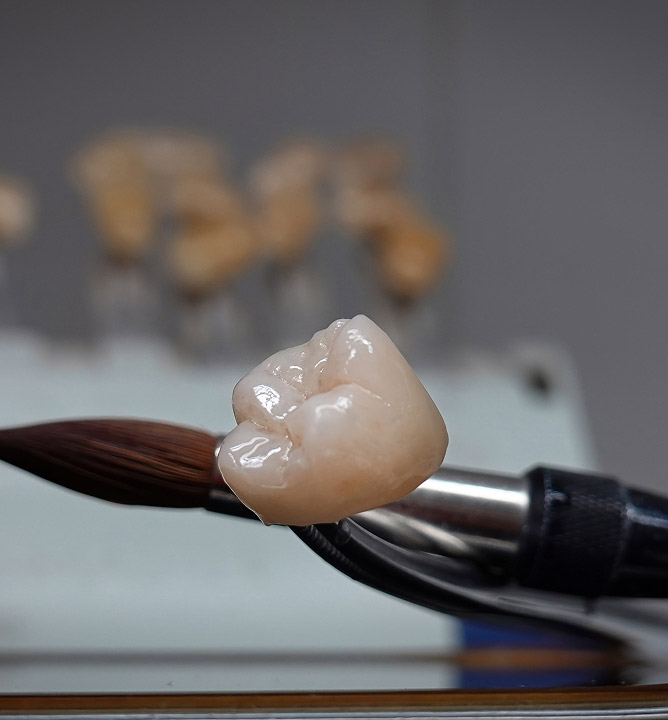
What to Expect During a Dental Crown Procedure
Most dental crowns require two visits, usually about two to three weeks apart while the permanent crown is being made.
First Visit
Dr. Webley examines the tooth, evaluates your gums and bite, and uses X-rays when appropriate to look for decay, cracks, or infection below the surface. You’ll discuss whether a crown is the best option and which material may be appropriate.
The area is numbed before treatment. Damaged or decayed tooth structure and old filling material are removed, and the tooth is prepared for the crown. Consistent with our conservative approach, only the necessary amount of tooth structure is removed.
A digital scan or impression is taken so the dental laboratory can create your permanent crown. You’ll receive a temporary crown to protect the prepared tooth while your permanent restoration is being made.
During this period, avoid very sticky or hard foods that could dislodge the temporary crown. When flossing, slide the floss out to the side instead of pulling it upward.
Between Visits
Your permanent crown is fabricated to fit your tooth and bite and to coordinate with your surrounding teeth.
If your tooth needs additional treatment, such as a root canal or build-up, the overall timeline may be longer.
Second Visit
The temporary crown is removed, and the permanent crown is checked for fit, appearance, and bite. Dr. Webley makes any necessary adjustments before bonding the crown into place.
Is Getting a Crown Painful?
The area is fully numbed during preparation, so most patients feel pressure rather than sharp pain. Mild soreness or sensitivity for a few days afterward can be normal.
If your pain persists or worsens, or your bite feels too high after the crown is placed, contact the office so the restoration can be evaluated.
Patients who experience dental anxiety can ask about sedation options.
Temporary Crown vs. Permanent Crown
A temporary crown is a short-term cover, usually resin, placed while your permanent crown is being made. It protects the prepared tooth but isn’t as strong or as precisely fitted as the final restoration. Avoid sticky foods, chew on the other side, and floss gently (slide the floss out to the side, rather than pulling up) so it doesn’t come loose.
A permanent crown is the final, custom-fitted restoration bonded to your tooth. Once it’s placed, you no longer need the temporary.
How Long Do Dental Crowns Last?
Many dental crowns last 10 to 15 years or longer with good oral hygiene and regular dental care. Their lifespan depends on the material, the condition of the tooth underneath, your bite, and habits such as grinding or clenching.
You can help protect your crown by:
- Brushing twice a day and flossing daily
- Paying attention to the gumline around the crown
- Keeping regular dental exams and professional cleanings
- Avoiding chewing ice and other extremely hard objects
- Limiting sticky foods such as caramel and taffy
- Not using your teeth to open packages or bite objects
- Asking about a night guard if you grind or clench your teeth
Learn more about teeth grinding and bruxism treatment if grinding may be affecting your teeth.
Contact Just Smile Dental if your crown feels loose, chips, cracks, changes your bite, or continues to cause pain.

Dental Crown Cost in Everett, WA
The cost of a dental crown depends on the material, tooth being treated, and additional treatment that may be needed.
Factors that can affect your cost include:
-
- The type of crown material
- Whether the tooth is in the front or back of the mouth
- How much healthy tooth structure remains
- Whether a build-up, root canal, or other treatment is needed
Does Dental Insurance Cover Crowns?
Many dental insurance plans provide partial coverage for crowns when they are needed to restore a damaged or decayed tooth. Your coverage depends on your individual plan, deductible, waiting periods, and annual maximum.
Just Smile Dental is in-network with most major PPO dental insurance plans. Our team can help you understand your benefits before treatment. Visit our insurance page for more information.
What If I Don’t Have Dental Insurance?
We’ll review the expected cost of treatment with you before proceeding so you understand what is included.
Financing options are also available through Cherry, CareCredit®, and Proceed Finance for eligible patients.
Is a Crown Your Only Option? Alternatives to Consider
Not always. Depending on the condition of your tooth, a more conservative restoration may be able to provide the protection you need.
Possible alternatives include:
- Filling or bonding: For smaller areas of decay or damage
- Onlay or other partial-coverage restoration: When part of the tooth can be preserved without covering the entire tooth
- Veneer: For certain cosmetic concerns involving a relatively healthy front tooth
- Extraction and dental implant: When a tooth is too damaged or compromised to save predictably
Dr. Webley will explain your options and help you understand which treatment can protect the tooth while preserving as much healthy structure as possible.
If a tooth cannot be saved, learn more about single-tooth dental implants and implant-supported bridges.
Questions to Ask Before Choosing a Dentist for Dental Crowns in Everett, WA
Not all crowns are created equal. Before you commit, ask:
1. How will you preserve my natural tooth?
A good dentist should be able to explain how much tooth will be removed and why. Ours starts from a biomimetic mindset: keep as many natural teeth as possible.
2. What material do you recommend for this tooth, and why?
The answer should be specific to your tooth, bite, and goals, not “the same one we use for everyone.”
3. How many visits will this take?
Ask what the timeline looks like, whether you’ll get a temporary crown, and how long the wait is between visits.
4. How will you check my bite?
A crown that looks perfect but sits too high can cause soreness and early failure. Ask how the fit and bite are verified before you leave.
5. Will I get a clear estimate before treatment?
You should know what a crown costs, what insurance is expected to cover, and what financing is available before you begin.
6. What happens if something goes wrong?
Ask about follow-up care if a crown loosens, chips, or feels uncomfortable.

Red Flags When Choosing a Dentist for Crowns
When comparing dentists for crown treatment, be cautious if a practice:
- Recommends a crown without explaining why it’s necessary or discussing alternatives.
- Doesn’t examine the tooth or take appropriate diagnostic images before recommending treatment.
- Doesn’t discuss your bite, grinding habits, or how the crown will fit with your other teeth.
- Gives you a price without explaining what the treatment includes.
A good consultation should leave you understanding why you need the restoration, what your alternatives are, what the process involves, and what you can expect to pay.
What Your Crown Consultation Looks Like
Your visit to Just Smile Dental on Evergreen Way starts with a conversation rather than a sales pitch.
Dr. Webley will ask about your symptoms and goals, examine the tooth, and use X-rays when appropriate to evaluate what’s happening beneath the surface. He’ll explain your treatment options in straightforward language, including alternatives when a full crown isn’t necessary.
Before treatment begins, you’ll understand:
- What is happening with your tooth
- Whether a crown is the right option
- What alternatives may be available
- Which material may be appropriate
- How many visits you’ll need
- What the treatment is expected to cost
The goal is to give you enough information to make an informed decision without pressure to proceed immediately.
Frequently Asked Questions
We’re in-network with most major PPO dental insurance plans. Our team can help you understand your coverage and maximize your benefits before treatment.
Yes. You can request an appointment online or call (425) 341-1111.
It depends on the crack’s location and depth. Zirconia and ceramic are popular for their strength, and Dr. Webley will recommend the best fit after examining the tooth. Deep cracks that reach the root may need additional treatment.
Yes, although a properly fitted and maintained crown should stay securely in place. A crown can become loose if the underlying tooth develops decay, the crown or bonding is damaged, or excessive biting forces from grinding or clenching affect it. If your crown feels loose or comes off, contact Just Smile Dental promptly so Dr. Webley can determine whether the crown can be re-bonded or if the tooth needs additional treatment.
Waiting to treat a weakened or damaged tooth can allow a crack, decay, or other problem to progress. A tooth that might initially be restored with a crown could eventually require a root canal or extraction if the damage reaches deeper into the tooth. If you’re having pain, sensitivity, a visible crack, or a broken tooth, having it evaluated sooner gives Dr. Webley a better opportunity to determine whether the tooth can be preserved.
Schedule Your Dental Crown Consultation in Everett, WA
If you have a cracked, broken, or decayed tooth, or if your crown is old and failing, the sooner you’re seen, the more of your natural tooth we can save. Dr. William Webley and the Just Smile Dental team will help you understand your options and build a plan that fits your goals and budget.
Call (425) 341-1111 or schedule online today. Not sure where to start? Contact us, and we’ll be happy to help. We proudly serve patients from Everett, Marysville, Lynnwood, Edmonds, and surrounding Snohomish County communities.